
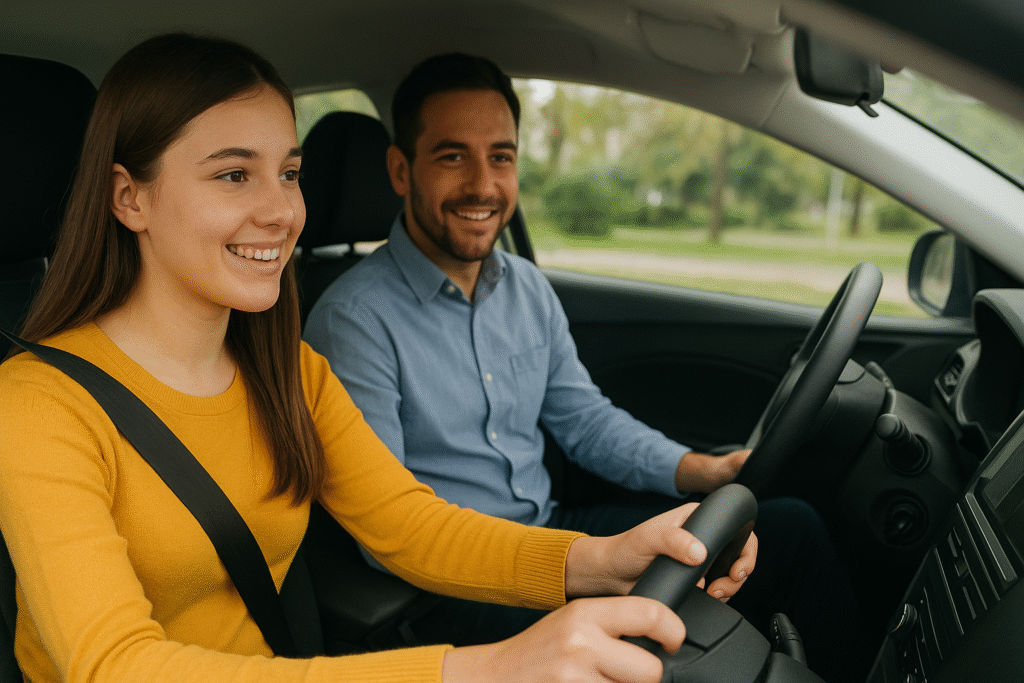
Learning to drive is one milestone that stays with you forever. Even years after getting a license, people remember their first driving lesson, their first attempt at parallel parking, or the moment they finally understood how to judge the road. When you choose to learn to drive smart, the entire journey becomes smoother, safer, and more confidence-building. At on road driving school, the concept of smart driving isn’t just a slogan—it’s a teaching philosophy that turns beginners into capable, skilled, and responsible drivers.
In today’s busy and complex traffic environment, smart driving matters more than ever. The roads are crowded, drivers are distracted, and the number of vehicles increases every year. Whether you are a teenager getting behind the wheel for the first time, a newcomer adjusting to new road rules, or an adult who finally decided to start driving, the key is to learn to drive smart from day one. When you start with the right training, you build habits that protect you for a lifetime.
This guide dives deeply into everything you need to know about learning to drive smart—techniques, mindset, road awareness, safety strategies, smart driving habits, and the practical experience shared by professional instructors at on road driving school. This is not just generic advice; it is built on real teaching experience, real students, and real road situations.
What Does It Mean to Learn to Drive Smart?
Learning to drive smart means learning the right way—not just enough to pass a test, but enough to confidently handle real-world driving. Many drivers pass their road test without really understanding road awareness, hazard perception, or defensive driving. But smart drivers think ahead, predict risks, and stay in full control of their vehicle.
Smart driving includes:
-
Understanding traffic psychology
-
Knowing how to anticipate hazards
-
Driving with confidence, not fear
-
Handling real-world conditions like rain, fog, or nighttime driving
-
Being technically skilled with steering, braking, lane control, and vehicle positioning
-
Staying calm under pressure
-
Making quick and safe decisions
-
Respecting road rules and other drivers
-
Building experience through structured training
At on road driving school, instructors often say:
“Anyone can learn to move a car. But only a smart driver knows how to stay safe, responsible, and in control.”
When you learn to drive smart, you go beyond basic steering and braking. You build lifelong skills.
Why Smart Driving Matters in Today’s World
1. Increasing Traffic Density
Cities are more crowded than ever. Even suburban areas today see more vehicles on the road, making it crucial for new drivers to be smart, alert, and skilled.
2. Distracted Driving Is Rising
Smart driving means you are prepared even when others are not paying attention. Learning hazard prediction helps compensate for others’ mistakes.
3. Driving Tests Are Becoming Stricter
Testing authorities now evaluate real-world driving skills, defensive driving, and environmentally friendly driving styles. To pass, you must drive smart—not just drive.
4. Safety Is Everything
A simple mistake at the wrong time can be life-changing. Smart driving habits dramatically reduce the chance of accidents.
5. Saves Money
Smart drivers avoid:
-
Insurance claims
-
Traffic fines
-
Unnecessary repairs
-
Excess fuel consumption
Driving smart protects both your life and your wallet.
The Role of On Road Driving School in Helping You Learn to Drive Smart
On road driving school is built on years of experience teaching thousands of students safely and successfully. The school follows a structured, proven curriculum based on responsible driving principles, real-life scenarios, and hands-on practice.
Some of the school’s strong points include:
- Professional Instructors
Experienced instructors who understand student psychology and road behavior.
- Step-by-Step Training
Lessons progress from simple controls to advanced traffic navigation.
- Defensive Driving Techniques
Students learn how to predict and avoid hazards.
- Personalized Learning Pace
No two students are the same—on road driving school customizes lessons for everyone.
- Smart Driving Strategies
Real-world training: intersections, roundabouts, highways, lane changes, reverse parking, and more.
- Road-Test-Focused Practice
Training is aligned with what examiners expect and what the road actually demands.
How to Learn to Drive Smart: A Complete Roadmap
Below is a detailed roadmap that mirrors what professional instructors teach at on road driving school. These are real methods used on the road every day with actual learners.
Step 1 — Building the Right Mindset Before You Touch the Steering Wheel
Before your first lesson, your mindset determines the quality of your driving experience. Smart drivers are not just technically skilled—they are mentally prepared.
- Confidence Without Overconfidence
You should trust your ability but never underestimate the road.
- Patience Over Speed
Smart learning takes time. Fast progress comes from slow, steady development.
- Curiosity and Awareness
Always ask “why.” Why a rule exists. Why braking too late is dangerous. Why blind spots matter. This curiosity creates smart drivers.
- Consistency
Smart driving is a habit, not a one-day achievement.
Step 2 — Understanding the Vehicle (Interior & Exterior Control)
To learn to drive smart, you must begin with the basics: knowing your car.
Interior Controls
-
Steering wheel handling
-
Indicator signals
-
Dashboard warning lights
-
Headlights, wipers, defoggers
-
Pedals: accelerator, brake, clutch (if manual)
-
Mirror understanding
Exterior Knowledge
-
Tyre pressure
-
Blind spots
-
Safety checks
-
Proper seating position
-
Adjusting mirrors for maximum visibility
Many beginners skip this step, which leads to confusion later. At on road driving school, instructors ensure students master these basics before driving even a few meters.
Step 3 — Starting Slow: The First Day on the Road
Your first day of driving is unforgettable. A smart driving instructor focuses on:
-
Vehicle movement
-
Controlling speed
-
Smooth braking
-
Maintaining lane discipline
-
Using mirrors
-
Checking surroundings before moving
Students often feel nervous initially, but with structured guidance, the fear transforms into confidence.
Step 4 — Learning the Smart Way to Use Mirrors
Mirrors are your biggest tool for smart driving.
- Mirror-Check Routine
On road driving school teaches the MSM routine:
Mirror → Signal → Maneuver
- Blind Spots
Smart drivers never change lanes without checking blind spots.
- Rearview Awareness
A good driver knows what’s happening behind them at all times.
Step 5 — Steering Like a Smart Driver
Smart steering = safe control.
- Proper Hand Position
9-and-3 or 10-and-2 positions are recommended.
- Smooth Turning Techniques
No oversteering or understeering.
- Cornering Rules
Smart drivers slow before turning, not during.
Step 6 — Smart Braking Skills
Braking properly is one of the most important lessons.
- Soft Braking
Gradual pressure prevents jerking.
- Emergency Brakes
Smart drivers know how to brake hard without losing control.
- Braking Distance Awareness
Speed determines how far your car travels before stopping—SMART drivers know this by heart.
Step 7 — Learning to Drive Smart in Traffic
Real driving begins in real traffic.
- Gap Judgment
You must understand when it’s safe to enter traffic.
- Predicting Other Drivers
Not everyone drives smart—so you must.
- Handling Aggressive Drivers
Stay calm. Keep distance. Don’t engage.
- Traffic Light Behavior
Smart drivers slow down when lights turn yellow—they don’t speed up.
Step 8 — Mastering Lane Discipline
- Staying Centered
Your car should remain centered in the lane—not too left or too right.
- Safe Lane Changes
Use mirrors, indicate early, check blind spots, then move cleanly.
- Avoiding Lane Weaving
Smart drivers maintain direction unless necessary.
Step 9 — Smart Parking Techniques
Parking takes practice. Real-world experience is essential.
Reverse Parking
Most instructors at on road driving school start with reverse parking because it’s common in driving tests.
Parallel Parking
Smart methods include:
-
Using mirror reference points
-
Slow and steady moves
-
Steering timing
Uphill & Downhill Parking
Smart drivers always use wheel positioning and handbrakes correctly.
Step 10 — Driving in Different Weather Conditions
- Rain
Use headlights, not high beams. Increase braking distance.
- Fog
Smart drivers use fog lights and reduce speed.
- Night
Avoid staring at headlights. Maintain high awareness.
- Snow or Slippery Roads
Gentle acceleration, gentle braking, maximum attention.
Step 11 — Smart Highway Driving
Highway driving demands maturity.
- Speed Adjustment
Smart drivers maintain a safe yet efficient speed.
- Overtaking Rules
Never overtake blindly.
- Entry & Exit Ramps
Use proper merging techniques taught at on road driving school.
Pros & Cons of Learning to Drive Smart (Table)
| Pros of Learning to Drive Smart | Cons (If You Don’t Learn Smart Driving) |
|---|---|
| Better control on the road | Higher risk of accidents |
| Confidence in all traffic situations | Panic during emergencies |
| Saves fuel and money | Poor efficiency & higher fuel cost |
| Strong chances of passing road test | Repeated test failures |
| Lifelong safe driving habits | Bad habits that last for years |
| Predicting hazards early | Slow reaction to unexpected dangers |
| Respect from other road users | Frustration from other drivers |
| Lower insurance costs | More insurance claims |
Common Mistakes Beginners Make (and How Smart Drivers Avoid Them)
- Driving too fast too early
Smart drivers start slow and increase speed naturally.
- Not checking mirrors
This is dangerous and very common. Smart drivers check mirrors often.
- Following too closely
Always keep a safe distance.
- Not braking early
Late braking is unsafe—smart driving means being prepared.
- Overthinking
Smart drivers stay calm and focused.
How On Road Driving School Helps You Become a Smart, Skilled Driver
On road driving school ensures:
-
Personalized instruction
-
Professional guidance
-
Defensive driving lessons
-
Real-world practice
-
Test preparation
-
Confidence-building
Their approach is built on years of real experience with real students.
Real Experiences from On Road Driving School Students
Many beginners who felt scared on day one now drive confidently. A few common feedback points include:
-
“I learned more in three lessons than I expected in ten.”
-
“They taught me not just to drive, but to drive smart.”
-
“I finally understand traffic rules and why they matter.”
-
“The instructors stayed calm even when I panicked.”
These experiences highlight the value of structured training.
Smart Driving Habits to Practice Daily
- Signal Early
Never surprise other drivers.
- Keep Two Hands on the Steering Wheel
Unless shifting gears.
- Keep a Safe Distance
Your life depends on it.
- Look Far Ahead
Not just at the car in front.
- Stay Calm
Smart driving requires emotional control.
- Avoid Distractions
No smartphones, no unnecessary conversations.
Why Learning to Drive Smart Helps You for Life
Driving is not just a skill—it becomes part of your identity. Smart drivers protect their loved ones, themselves, and everyone else on the road.
Learning smart ensures:
-
Safer journeys
-
Fewer accidents
-
Better financial savings
-
Higher confidence
-
More respect on the road
When you learn from on road driving school, you’re not just learning to pass a test—you’re learning to stay safe forever.
Short FAQ – Learn to Drive Smart
1. What does “learn to drive smart” mean?
It means learning driving techniques that focus on safety, awareness, confidence, and responsible decision-making on the road.
2. How can on road driving school help me learn to drive smart?
On road driving school provides real-road lessons, expert instructors, and practical training designed to build safe and smart driving habits.
3. How long does it take to learn to drive smart?
Learning time varies, but most learners develop smart driving skills within a few weeks of consistent professional training.
4. Is smart driving only for beginners?
No. Smart driving is beneficial for beginners, experienced drivers, and anyone who wants to improve safety and confidence.
5. Do I need a learner’s permit to start smart driving lessons?
Yes, most training programs require a valid learner’s permit before starting on-road lessons.
6. Can smart driving reduce my chances of accidents?
Yes. Smart driving techniques focus on anticipation, hazard detection, and defensive driving, all of which reduce accident risk.
7. Does on road driving school offer tailored driving packages?
Yes. On road driving school provides personalized lesson packages based on skill level and learning goals.
8. Are smart driving lessons expensive?
The cost depends on lesson duration and package type, but most driving schools offer flexible and affordable options.
9. Can smart driving help me pass the driving test faster?
Absolutely. Smart driving builds strong fundamentals, making it easier to pass both road tests and written tests.
10. Is smart driving useful after getting a license?
Yes. Smart driving is a lifelong practice that improves safety, confidence, and overall road awareness.