
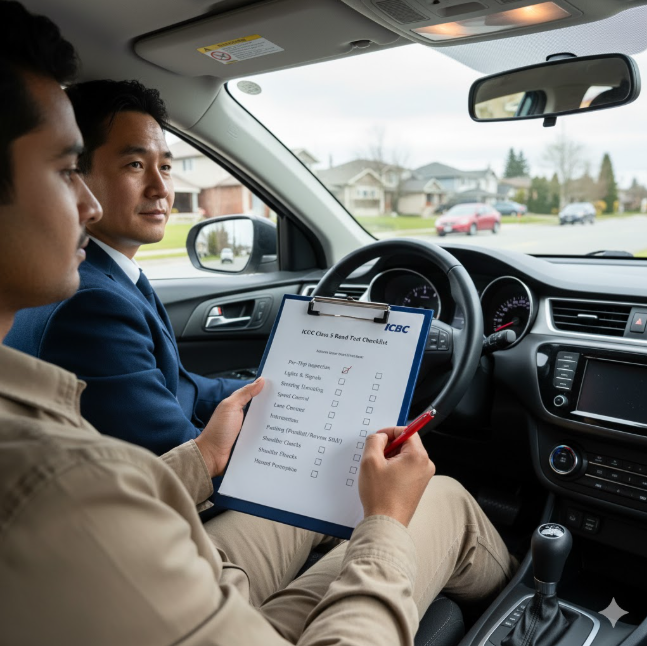
If you’re searching for driving license BC Canada, you’re likely standing at an important point in your life. Maybe you’re a new resident, an international student, a teenager starting fresh, or someone finally ready to stop depending on transit. Whatever your situation, getting a driving license in British Columbia is not complicated—but it is structured, strict, and unforgiving if you don’t understand the system properly.
This guide is written from real, on-the-road experience. Not theory. Not copied government text. It reflects what learners actually face during tests, what examiners look for, where people fail, and how students trained by on road driving school consistently pass with confidence.
Location focus for learners:
Kingsway, Vancouver, BC – V5V 3E3, Canada
What “Driving License BC Canada” Actually Means
Insurance Corporation of British Columbia
When people say driving license BC Canada, they are referring to a driver’s license issued by the Insurance Corporation of British Columbia (ICBC). Unlike many countries, BC does not offer a single-step license. Instead, it uses a Graduated Licensing Program (GLP) designed to build skills over time.
That structure protects new drivers—but it also means mistakes can delay you by months or even years.
Overview of the BC Graduated Licensing Program (GLP)
To earn a full driving license in BC, most drivers go through:
-
Learner (Class 7L)
-
Novice (Class 7N)
-
Full License (Class 5)
Each stage has rules, waiting periods, and tests.
At on road driving school, this is the first thing every student learns—because skipping steps is not possible in BC.
Step 1: Learner’s License (Class 7L)
This is the entry point for most people seeking a driving license BC Canada.
Minimum Age
-
16 years old
-
Under 19 requires parental consent
The Knowledge Test
-
Multiple-choice
-
Road signs
-
Right-of-way
-
Speed limits
-
Hazard awareness
Passing the test gives you a Learner’s License, not driving freedom.
Learner Restrictions You Must Follow
With a Class 7L:
-
You must drive with a fully licensed supervisor
-
Zero alcohol or drugs
-
No electronic device use
-
Display an “L” sign
Ignoring these rules leads to fines, penalties, or restart of the process.
How to Prepare for the Knowledge Test Properly
Most failures happen because learners:
-
Memorize answers instead of understanding rules
-
Ignore BC-specific scenarios
-
Rush the test
Students from on road driving school use practice tests and real explanations to build judgment, not just memory.
Step 2: Novice License (Class 7N)
After holding a learner’s license for at least 12 months, you can take the first road test.
What the Class 7 Road Test Includes
-
Vehicle control
-
Lane discipline
-
Observation skills
-
Intersection handling
-
Parking maneuvers
-
Hazard response
This is where most people struggle.
Why People Fail the First Road Test
From instructor experience at on road driving school, the most common reasons are:
-
Not checking mirrors enough
-
Incomplete stops
-
Speed control issues
-
Poor scanning at intersections
-
Nervous decision-making
The test is not about perfection. It’s about safe, predictable driving.
Restrictions With a Novice (7N) License
Even after passing:
-
Zero alcohol tolerance
-
One passenger limit (unless immediate family)
-
No electronic devices
-
“N” sign required
Violations can result in penalties or license suspension.
Step 3: Full License (Class 5)
After holding a Novice license for at least 24 months (or 18 with approved driver education), you can attempt the Class 5 road test.
The Class 5 Road Test Is Different
-
More emphasis on decision-making
-
Complex traffic situations
-
Highway and higher-speed driving
-
Independent judgment
This test confirms you’re ready to drive without restrictions.
Driving License BC Canada for Newcomers and International Drivers
Many newcomers assume they must start from scratch. That’s not always true.
Possible Scenarios
-
License exchange agreements
-
Reduced testing requirements
-
Direct Class 5 eligibility (rare but possible)
Your country of origin matters.
At on road driving school, international drivers are assessed individually before booking any test.
Why Location Matters: Driving in Vancouver
If you’re learning around:
Kingsway, Vancouver, BC – V5V 3E3
You’ll face:
-
Heavy traffic
-
Complex intersections
-
Bus lanes
-
Cyclists everywhere
-
Pedestrian priority zones
ICBC examiners expect you to handle real city conditions—not quiet suburbs.
Road Test Routes: What You Should Know
ICBC does not publish routes, but patterns exist:
-
School zones
-
Residential streets
-
Busy arterials
-
Unprotected left turns
Training with instructors familiar with Vancouver roads is a major advantage.
Pros & Cons of the BC Driving License System
| Pros | Cons |
|---|---|
| Strong focus on safety | Long process |
| Graduated skill development | Strict rules |
| High international recognition | Multiple tests |
| Reduced accident risk | Cost over time |
| Clear structure | Easy to fail if unprepared |
Understanding the system reduces frustration.
Why Professional Instruction Makes a Difference
Self-taught drivers often develop bad habits:
-
Rolling stops
-
Late mirror checks
-
Inconsistent speed
At on road driving school, instructors correct these habits early—before they become test failures.
How Many Lessons Do You Really Need?
There’s no universal number, but patterns show:
-
Beginners: 15–25 lessons
-
Some experience: 8–15 lessons
-
International drivers: 5–10 lessons
Quality matters more than quantity.
Common Myths About Driving License BC Canada
“I’ve driven for years, I’ll pass easily”
Many experienced drivers fail due to BC-specific rules.
“The examiner wants to fail people”
Examiners want safe drivers, not perfect ones.
“One mistake means automatic failure”
False. Only dangerous patterns cause failure.
What Examiners Actually Look For
Examiners focus on:
-
Observation
-
Decision timing
-
Risk awareness
-
Lane positioning
-
Confidence without aggression
Students trained by on road driving school are taught to think like examiners.
Costs Involved (Realistic Overview)
Costs may include:
-
Knowledge test fee
-
Road test fees
-
Lessons
-
Vehicle rental
Failing tests increases total cost significantly.
Booking Your Tests Strategically
Avoid:
-
Booking during peak stress periods
-
Booking without enough practice
-
Last-minute cramming
Smart scheduling improves pass rates.
Weather and Road Conditions in BC
Rain is common. Tests are not canceled for rain.
You must demonstrate:
-
Proper following distance
-
Smooth braking
-
Clear visibility habits
This is a key focus area at on road driving school.
Driving License BC Canada and Long-Term Benefits
A full BC license allows:
-
Insurance discounts
-
Job opportunities
-
Car ownership
-
Travel flexibility
It’s not just a license. It’s independence.
Frequently Asked Questions (FAQ)
1. What is the minimum age for a driving license in BC Canada?
You can apply for a learner’s license at 16 years old.
2. How long does it take to get a full driving license in BC?
Typically 3 years, but it can be reduced with approved training.
3. Is the ICBC road test hard?
It’s strict but fair. Preparation is the key.
4. Can international drivers get a BC license?
Yes, depending on your previous license and country.
5. What happens if I fail the road test?
You can retake it after a waiting period.
6. Is professional driving school mandatory?
No, but it significantly increases pass rates.
7. Do I need to display L or N signs?
Yes, it’s mandatory during those stages.
8. Can I drive alone with a learner’s license?
No, you must have a qualified supervisor.
9. Does on road driving school help with test booking?
Yes, they guide students through the process.
10. Is a BC driving license valid across Canada?
Yes, it is recognized nationwide.